



 Arguments







Teaching Climate Science
Posted on 22 March 2011 by Daniel Bailey
NCAR
The National Center for Atmospheric Research (NCAR) is a federally funded research and development center devoted to service, research and education in the atmospheric and related sciences. NCAR’s mission is to understand the behavior of the atmosphere and related physical, biological and social systems; to support, enhance and extend the capabilities of the university community and the broader scientific community – nationally and internationally; and to foster transfer of knowledge and technology for the betterment of life on Earth. The National Science Foundation is NCAR's primary sponsor, with significant additional support provided by other U.S. government agencies, other national governments and the private sector.

Dr. Kevin Trenberth, Senior Scientist, CAS Section Head
The Climate Analysis Section (CAS) is a research section within Climate & Global Dynamics Division (CGD) of the NCAR Earth System Laboratory (NESL).
Dr. Kevin Trenberth is Head of the Climate Analysis Section at the National Center for Atmospheric Research (NCAR) in Boulder, CO.
Dr. Trenberth is famous for his research into climate science. As part of his work, he prepares presentations and videos to help educate the public and policymakers. The feature of this post is Dr. Trenberth's Invited Keynote Address, "The Earth's Climate System: Variability and Change," presented at the Symposium on Climate Change Effects on Fish and Fisheries, Sendai, Japan, 26-29 April 2009.
Over the course of 23 minutes and 40 seconds, Dr. Trenberth covers a comprehensive range of climate topics including the Greenhouse Effect, Earth's energy flows and budget, the roles of each component (air, ocean, land and ice) of the biospher of the Earth, temperature & Co2 variations and sea level rise, followed by discussions of changes in humidity and how that effects weather around the globe.
Some of Dr. Trenberth's most powerful statements made in the video are:
- "The recent 2003 European heat wave could only have ocurred through a combination of natural variability and global warming."
- "Global Warming doesn't mean relentless warming year after year after year."
It's a must-watch video, one of the most educational and accessible I've seen. Watch it and then tell everyone you know to see it.
Here are a few screenshots to whet your appetite and draw your interest:
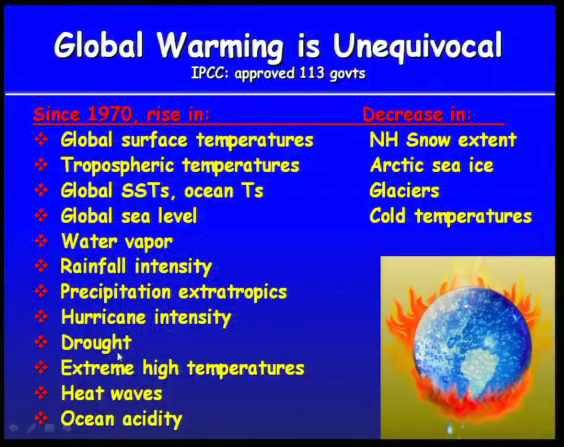
Figure 1. The warming of the globe is unequivocal
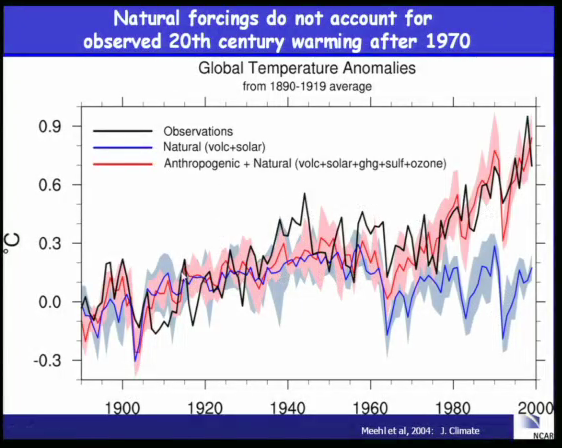
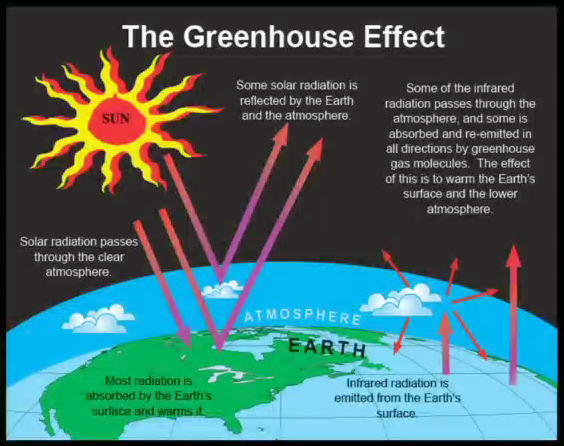
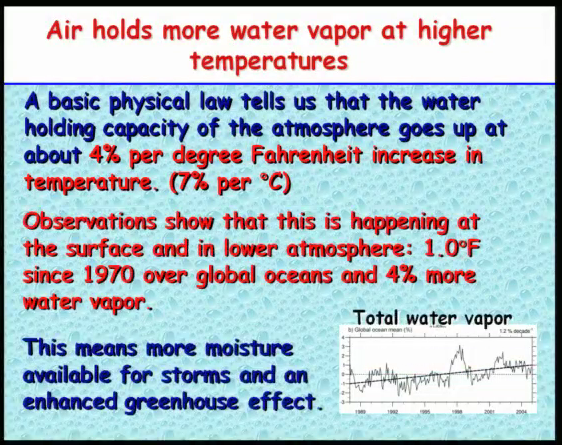
Fig 2. Warming Attribution Fig3. Greenhouse Effect Fig 4. Water Vapor
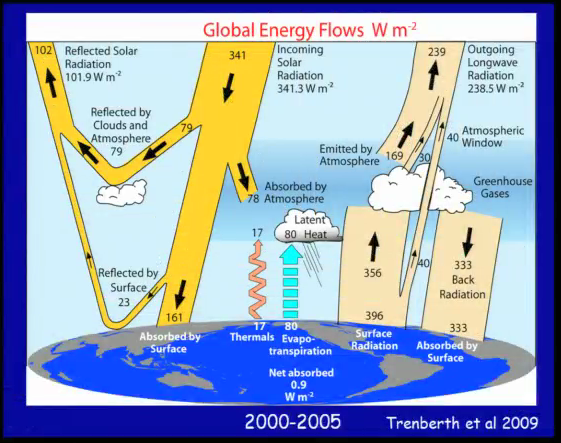
Fig 5. Earth's Energy Flows
One of the things that struck me while researching this article was the observation that Dr. Trenberth had made about his widely misquoted comment (discussed here and here):
"The fact is that we can't account for the lack of warming at the moment and it is a travesty that we can't."
Here's Dr. Trenberth's thoughts on the matter:
Further Reading
Dr. Trenberth's CV and Publication Record


 0
0  0
0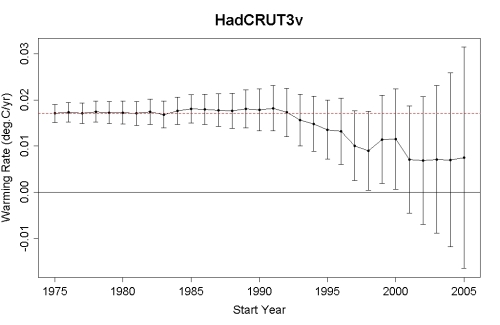 But it takes someone skilled in time series analysis to do the job right when dealing with extremely short time series, such as the significant warming of the globe since 2000, as shown above.
That's why most climatologists, being very conservative with what they say, prefer to use as much data as they can get (generally 30 years or more) to make their evaluations.
Otherwise what you're asking is impossible: to prove or disprove the non-existence of something.
Hope this helps,
The Yooper
But it takes someone skilled in time series analysis to do the job right when dealing with extremely short time series, such as the significant warming of the globe since 2000, as shown above.
That's why most climatologists, being very conservative with what they say, prefer to use as much data as they can get (generally 30 years or more) to make their evaluations.
Otherwise what you're asking is impossible: to prove or disprove the non-existence of something.
Hope this helps,
The Yooper







Comments